Sink cutout structural reinforcement
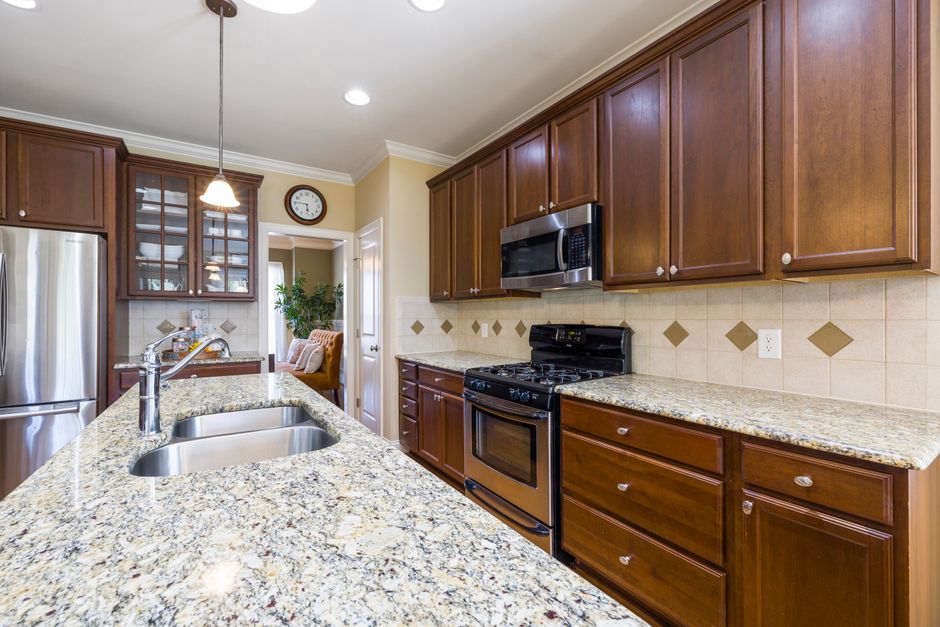
The sharp crack of splitting stone during a late night installation is a sound that stays with a fabricator forever. Data found within every teardown buncombe county custom countertops nc ed digest has logged shows the same thing regarding a weakened countertop in Buncombe County, NC. Large openings create structural vulnerabilities in any heavy slab. A sink cutout removes the natural strength of the material, leaving thin strips of stone that cannot support the weight of a filled undermount sink without mechanical assistance.
The Mechanics of Structural Failure
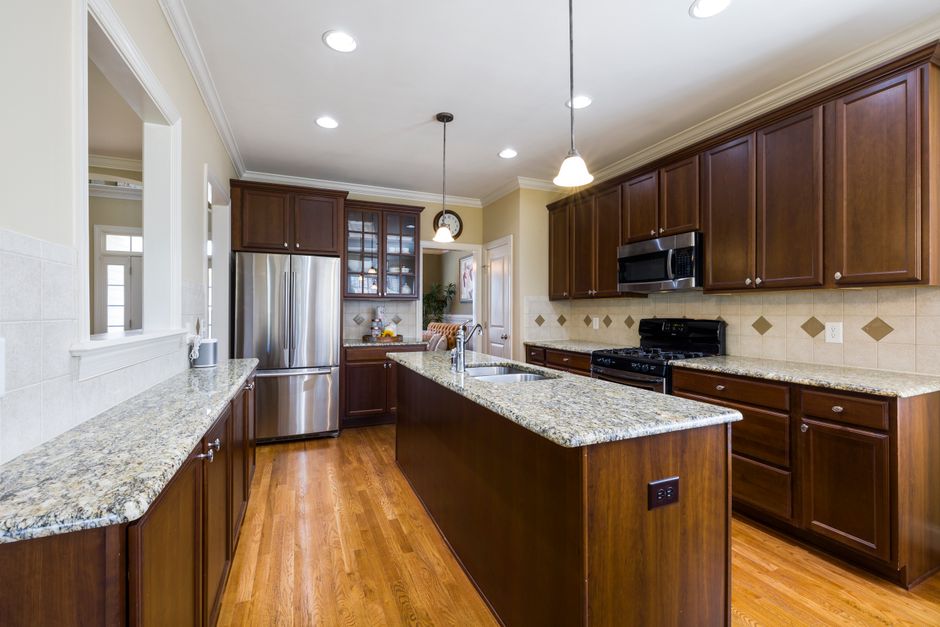
Gravity pulls on the weight of the water and the basin. Without reinforcement, the tension at the corners of the cutout leads to fractures. This is common with quartz or granite because these materials are rigid. Unlike butcher block, which has some natural flex, a stone slab will snap if the bridge of material is too narrow. A digital template ensures the dimensions are precise, but it cannot change the physics of a weakened edge profile. If the cutout is too close to the front edge, the risk of a crack increases significantly.
Steel Reinforcement Methods
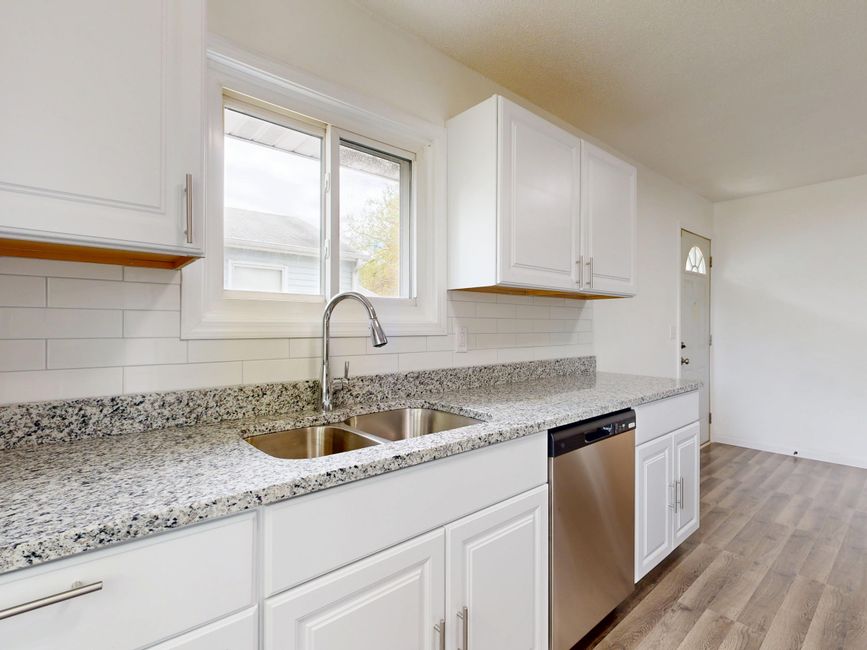
Installing steel channels or flat bars is the standard for high risk areas. These bars are epoxy bonded underneath the stone to bridge the gap created by the sink cutout. Using a thin strip of stainless steel provides the necessary tension to prevent a seam from opening or the stone from snapping under load. This method works well for marble or quartzite where the material is particularly brittle. The steel must be flush to avoid interfering with the cabinet mounting or the sink clips.
Wood Support Systems
Some fabricators prefer using heavy timber or plywood strips for reinforcement. This method involves routing a small groove into the underside of the slab or using high strength epoxy to bond wood strips across the opening. While wood offers some dampening, it lacks the sheer strength of steel in a large porcelain or soapstone application. A well placed wooden brace can prevent the sagging that often leads to a failed seam. The thickness of the support must be calculated against the weight of the intended undermount sink.
Preventing Damage During Installation
Handling a slab with a large cutout requires extreme care. A remnant piece might be too small to provide adequate support during the transition from the truck to the cabinets. Proper templating ensures that the sink cutout is positioned to allow for enough material around the perimeter. If the overhang is too deep, the lack of support becomes a liability. Mechanical reinforcement must be applied before the sink is bolted into place to ensure the integrity of the stone remains intact throughout the life of the installation.