Slab lifting point center-of-gravity
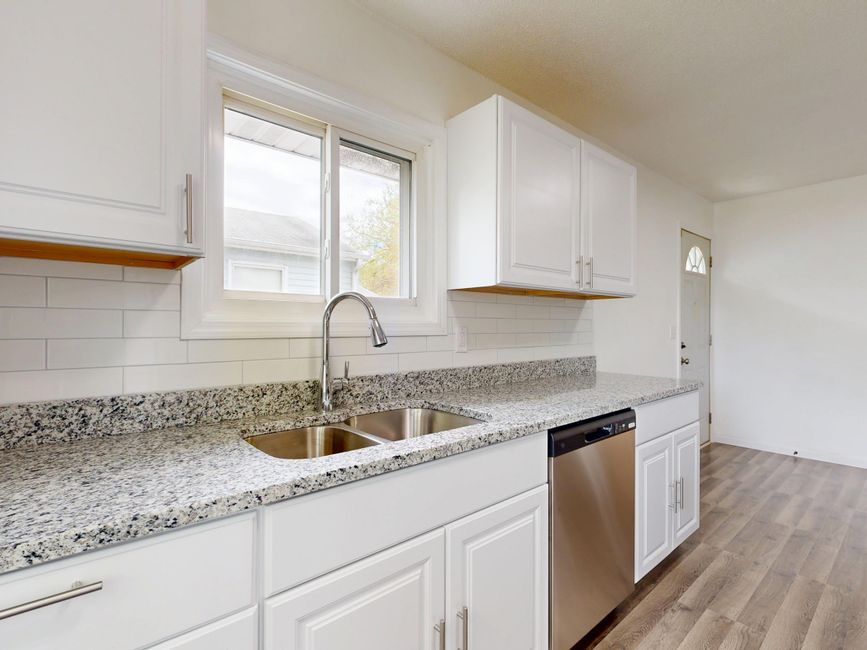
Once the crane hook engages the lifting eyes, the weight of the slab dictates the next move, as the notes at buncombe county custom countertops nc ed digest describe. Calculating the center of gravity for a heavy granite piece prevents the stone from tipping or rotating mid air. Moving a large countertop through Buncombe County, NC requires precise math to keep the load level. A mistake in the lift point leads to a broken edge or a shattered slab.
Calculating the Center of Gravity
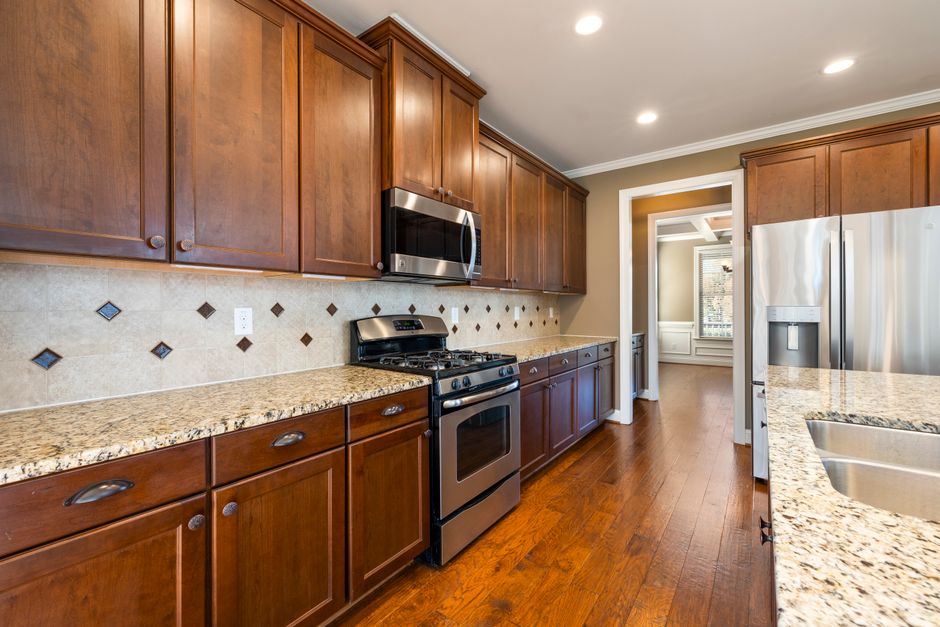
The balance point is rarely the geometric center of the stone. Cutouts for an undermount sink or a cooktop change the weight distribution significantly. A large sink cutout removes mass from one section, shifting the center of gravity toward the solid end. Before the lift begins, the weight must be estimated by calculating the volume of the material and multiplying it by the density of the specific stone. Quartz or quartzite carries a different weight than marble, and these differences affect how the crane responds to sudden movements.
Managing Asymmetrical Loads
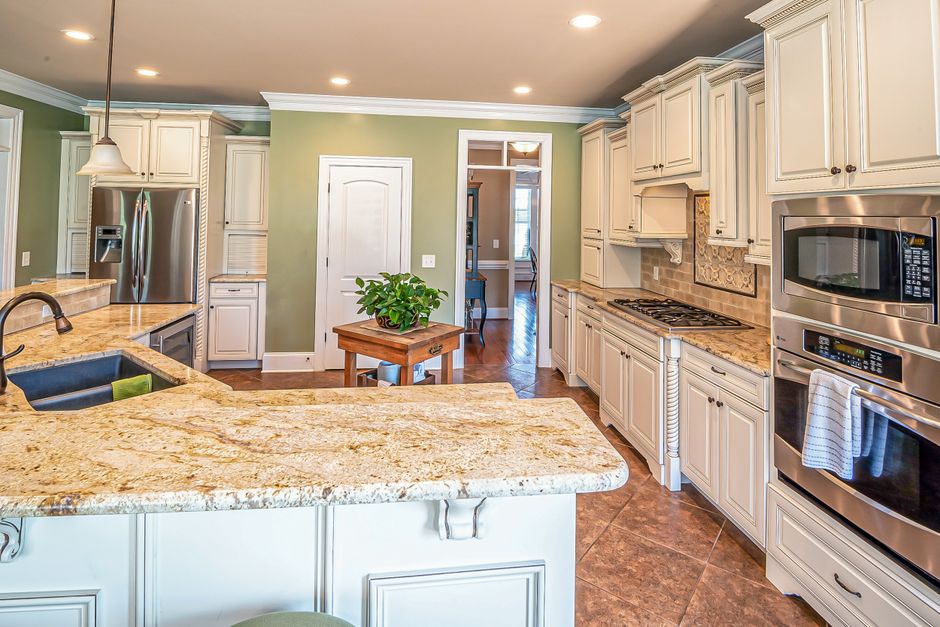
An L shaped piece presents a mechanical challenge during transport. The heavier leg of the L pulls the center of gravity toward the thickest part of the stone. If the lifting points are placed at equal distances from the ends, the piece will tilt. The rigging must be adjusted so the vertical line from the hook passes directly through the calculated center of mass. This prevents the stone from rotating on the suction cups or slings. A heavy overhang can cause the slab to swing unexpectedly if the rigging is not centered over the actual weight distribution.
The Impact of Material Density
Different materials behave differently under tension. A thick slab of soapstone is much heavier than a thin porcelain sheet of the same dimensions. Even a small remnant can cause a sudden shift if the lifting equipment is not rated for the specific density. When the material is uneven, such as a piece with a natural fissure or a heavy edge profile, the balance shifts. The density of the granite must be accounted for to ensure the lifting eyes do not pull against each other during the move.
Rigging and Stability
Stability depends on the contact between the lifting tools and the surface. Using a digital template to map the weight distribution helps in predicting the tilt. If the stone is not level, the tension on the slings becomes uneven. This uneven tension causes the slab to spin. Proper rigging ensures that the weight is distributed across the entire surface, preventing any single point from bearing too much pressure. Keeping the load steady is the only way to move the material from the shop to the job site without damage.