Leveling shim compression
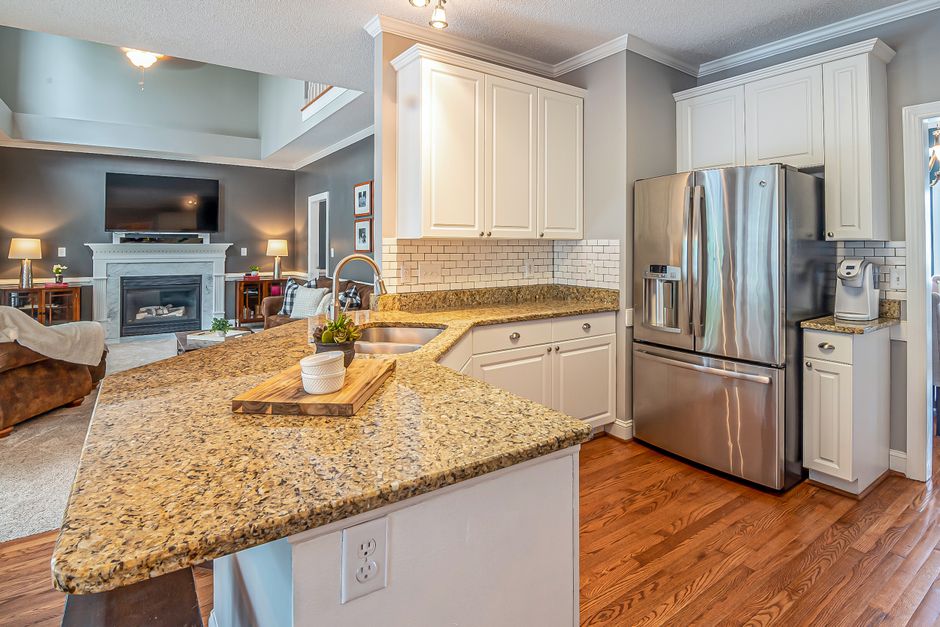
Stone is expected to remain static. In reality, the substrate shifts under the weight. The data found at buncombe county custom countertops nc ed digest shows how a heavy granite slab can crush wood shims over time. Gravity acts on every inch of a work surface in Buncombe County, NC, and the compression of organic material leads to sagging. This movement causes cracks at a seam or shifts the sink cutout position after the initial install.
The mechanics of wood compression
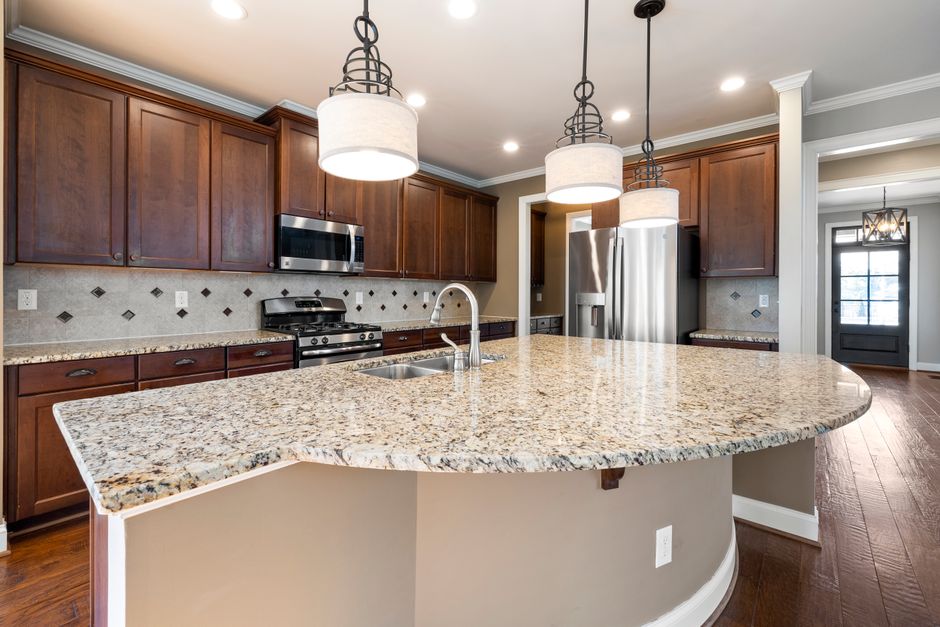
Standard cedar or pine shims react poorly to the constant downward force of a heavy slab. A thick piece of quartz can exert thousands of pounds of pressure on a single point. When the wood fibers collapse, the stone loses its level plane. This deformation is permanent. A shim that starts at a quarter inch thickness might shrink to a sixteenth of an inch within six months. This movement is most common near an undermount sink where the weight is concentrated and the moisture levels fluctuate. The lack of a solid base leads to tension in the stone itself.
Mitigating substrate failure
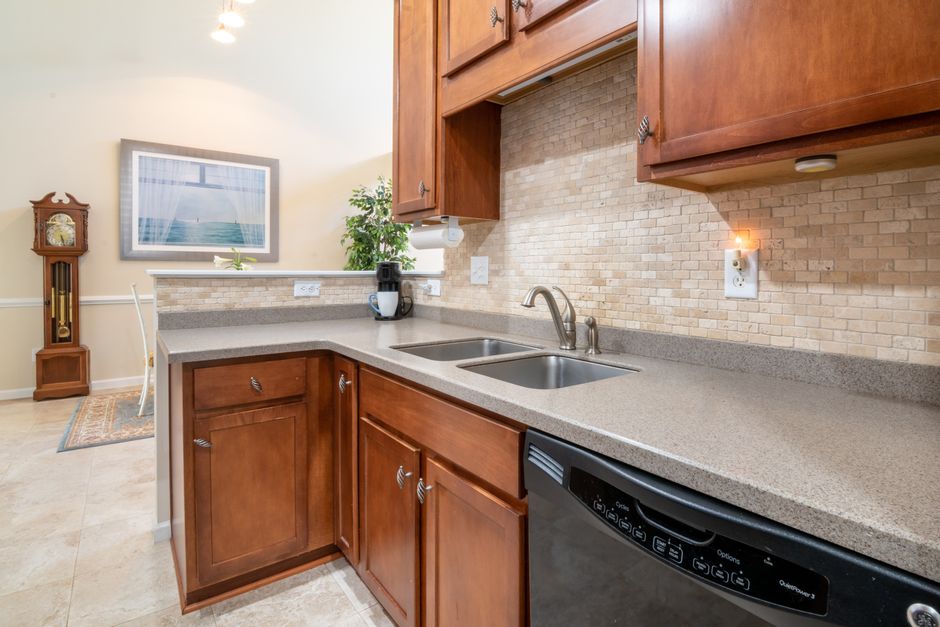
Using high density plastic shims prevents the crushing seen with natural wood. Plastic does not compress under the load of marble or quartzite. If wood must be used, it should be wedged between two non compressible surfaces. A single shim placed directly under a heavy edge profile will fail. Instead, the load should be distributed across a wider area using a shim bed. This method keeps the slab from tilting as the wood fibers flatten. The weight of the stone must be managed through even distribution rather than point loading.
Managing the seam stability
A seam placement is the most vulnerable area for movement. If the shims beneath a seam compress at different rates, the slabs will pull apart. This creates a visible gap. In Buncombe County, NC, many installations involve heavy porcelain which is brittle and unforgiving of movement. Ensuring the base cabinets are leveled and the shims are non compressible is the only way to prevent the slabs from shifting. A digital template ensures the stone fits the cabinet, but it cannot prevent the physics of weight on soft wood.
Load distribution for heavy slabs
The weight of a large slab travels through the cabinets to the floor. Any gap in the support structure requires a shim that can withstand the load. Using a remnant of stone to test a support point is a common mistake. A small sample overstates the edge and does not reflect the true weight of the full piece. The entire length of the run must be supported. If a waterfall edge is part of the design, the vertical load increases significantly at the corner. Solid support prevents the stone from bowing or cracking due to uneven compression.