Mitre saw blade tooth pitch
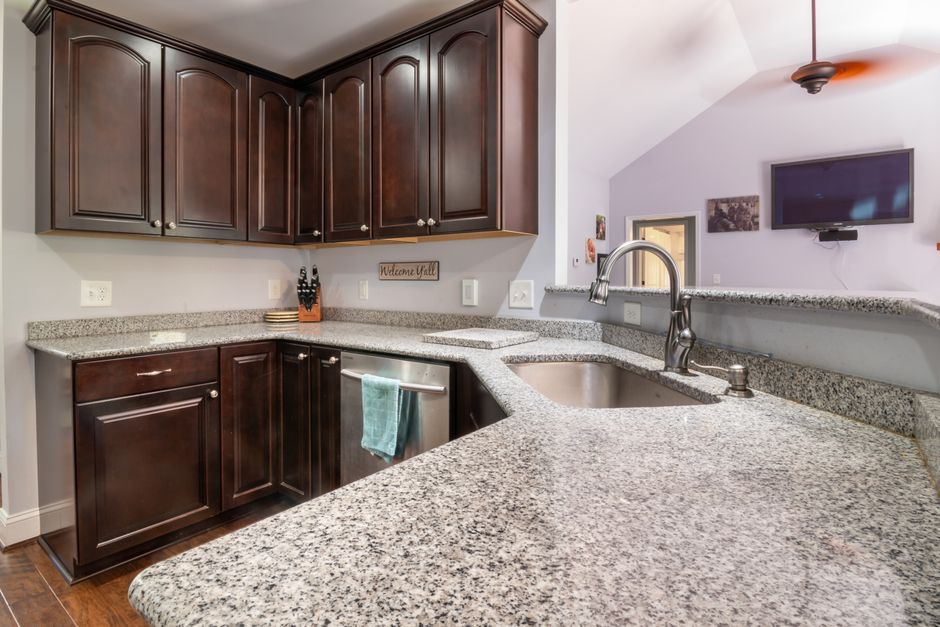
The diamond grit on a blade edge performs one job: it shears through the resin and stone matrix without fracturing the binder. Data recorded by every teardown buncombe county custom countertops nc ed digest has logged shows the same thing regarding chip rates on a quartz slab. Getting a clean edge profile on a thick work surface in Buncombe County, NC requires a specific tooth count to manage the heat. A low TPI blade creates massive vibration that shatters the material near the cut line.
The Mechanics of Tooth Pitch and TPI
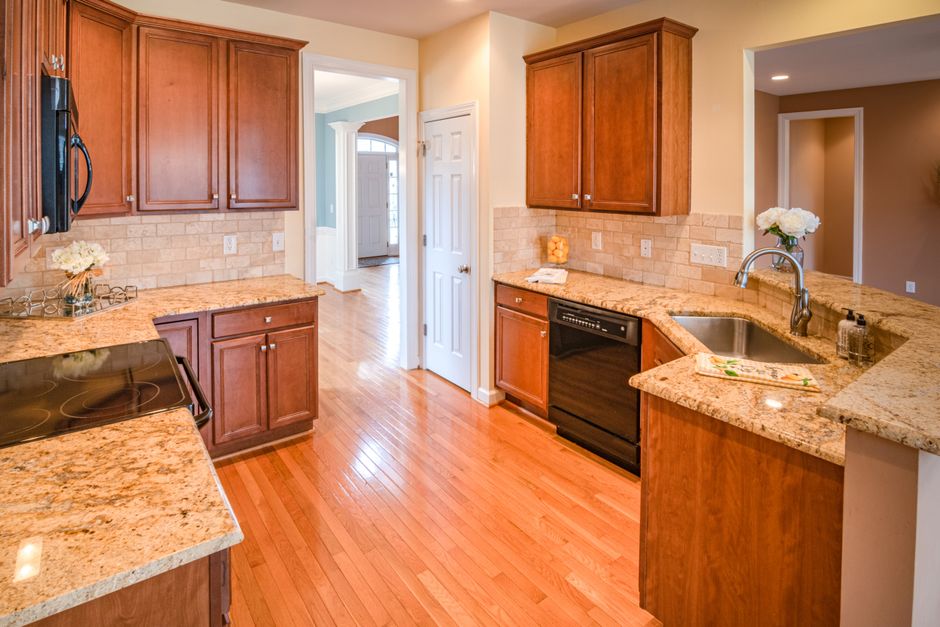
Teeth per inch determines the frequency of impacts against the quartz. A low TPI blade like 40 or 60 teeth creates large chips and heavy dust. This tool is fine for roughing out a sink cutout but fails on the final pass. For a finished edge, a high TPI blade provides the necessary smoothness. Most high end diamond blades for engineered stone sit between 140 and 200 TPI. This density allows for a controlled shear rather than a heavy strike. High speed rotation combined with high TPI minimizes the lateral force that causes a slab to crack during a straight rip cut.
Managing Heat and Resin Integrity
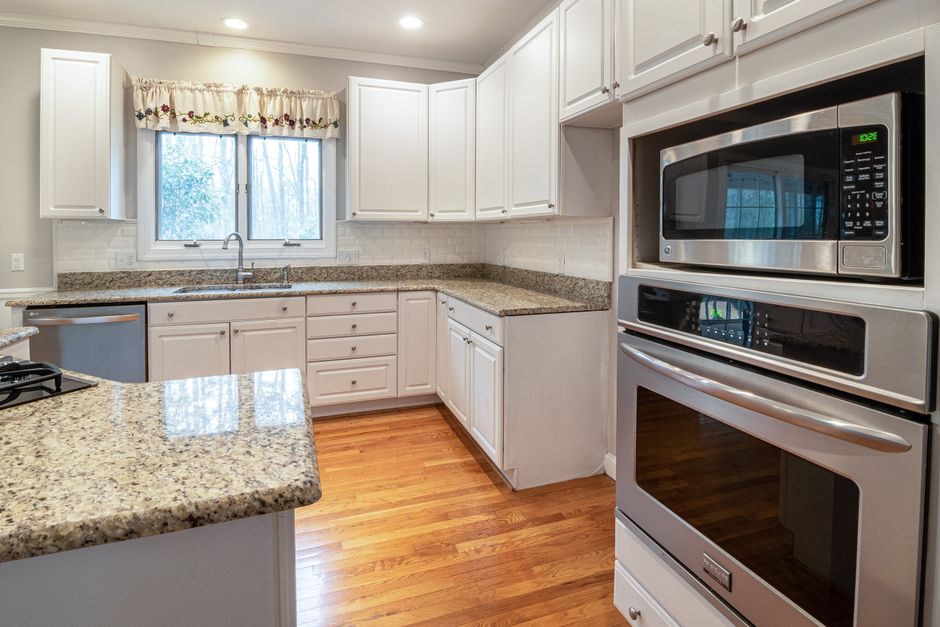
Engineered quartz contains resins that melt if the blade gets too hot. A blade with too few teeth spends more time rubbing against the material than cutting through it. This friction raises the temperature of the stone. Heat buildup leads to discoloration or a dull finish near the edge. Using a high TPI blade with water cooling keeps the temperature low. This prevents the resin from boiling out of the mix. A clean cut on a remnant or a full slab depends entirely on this thermal management. If the blade drags, the material fails.
Edge Profiles and Finishing Requirements
The final shape of the edge dictates the precision needed during the initial cut. An eased edge requires very little post processing if the blade is sharp. A bullnose or a waterfall edge requires much tighter tolerances. A blade with low TPI will leave a jagged surface that makes polishing difficult. The stone must be cut perfectly to the digital template to avoid extra grinding. Any deviation in the initial cut increases the risk of a chip at the corner of a sink cutout or near a seam placement.
Comparing Materials and Blade Speed
Different stones react to tooth pitch in unique ways. While quartz needs high TPI to prevent chipping, natural granite or quartzite might require different diamond grit configurations. Porcelain is even more sensitive to vibration and requires the highest tooth density available. A blade meant for butcher block or laminate will fail immediately on stone. The hardness of the material dictates the RPM and the tooth geometry. High density teeth ensure the cut follows the line without wandering. This precision is required for every seam to ensure a tight fit.