Router bit heat-build-up
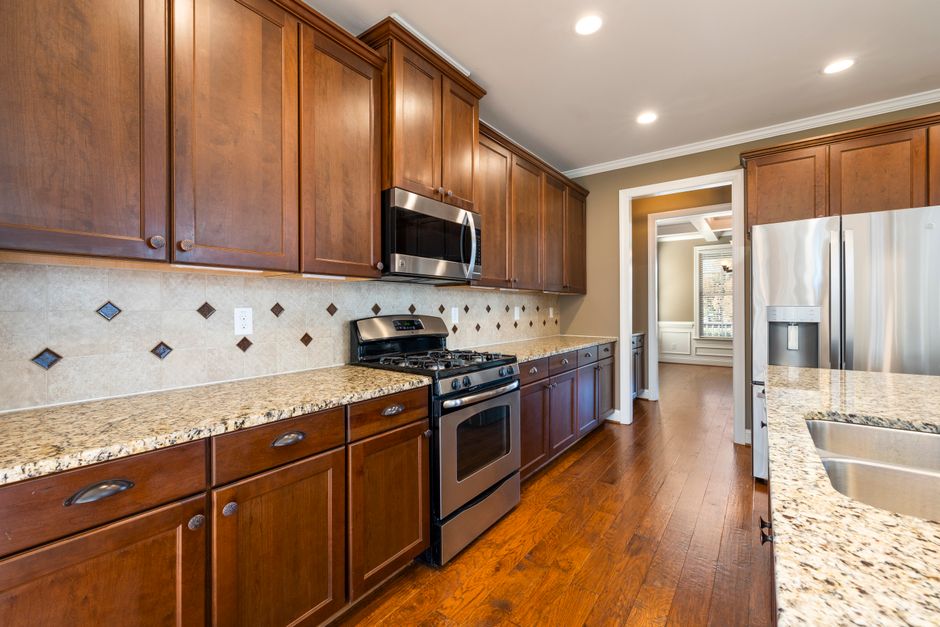
Under high friction, the thermal threshold of a router bit drops rapidly, and the data in the running record buncombe county custom countertops nc ed digest holds shows how heat ruins a countertop in Buncombe County, NC. A hot bit causes resin to bleed from a quartz slab or creates discoloration in a natural stone. Heat management is the difference between a clean edge profile and a ruined piece of material.
Thermal Management in Stone Fabrication
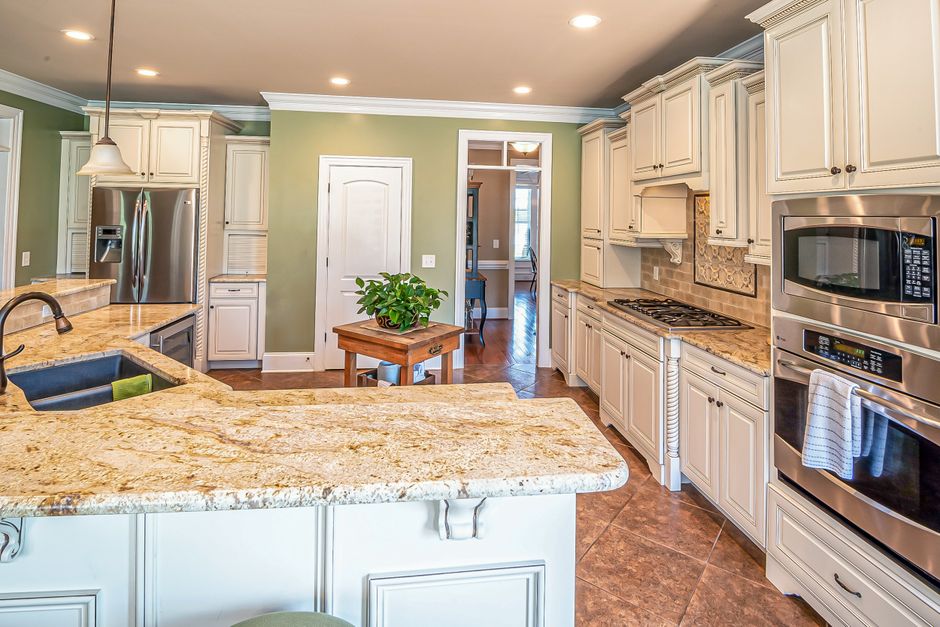
Friction generates heat during every pass. If a bit stays in one spot too long, the temperature climbs beyond the tolerance of the binding agents. In quartz, this heat melts the resin, leaving a gummy residue on the cutter and a dull, discolored mark on the surface. For a granite slab, excessive heat can lead to micro-fractures or a cloudy appearance near the edge. Monitoring the temperature prevents these permanent defects during the shaping of a sink cutout or a complex profile.
Material Specific Heat Limits
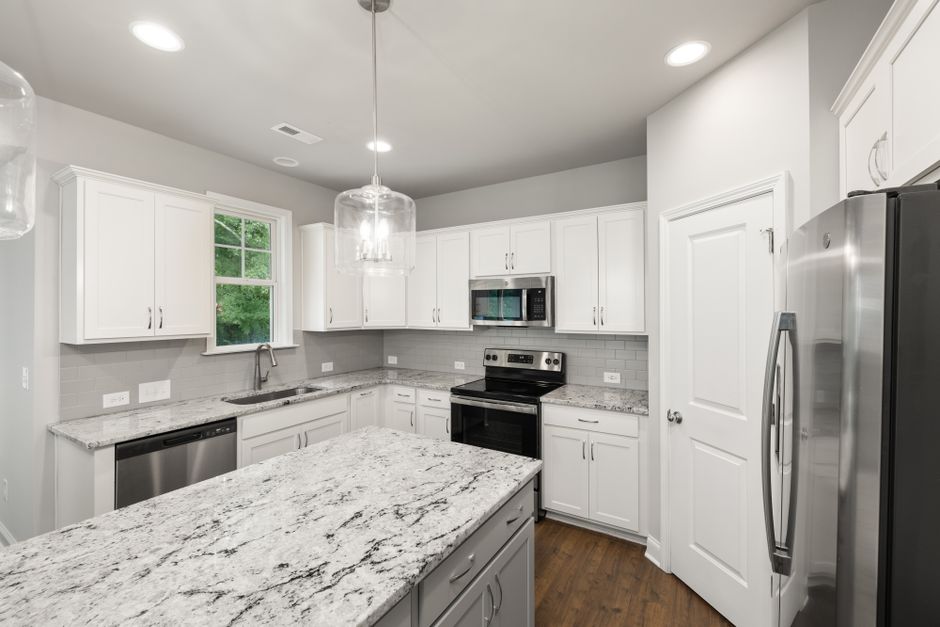
Each material reacts differently to the tool. A butcher block requires slower feeds to avoid scorching the wood fibers. Porcelain is extremely sensitive to thermal shock, meaning a hot bit can cause a crack to travel through the entire piece. Even a small remnant used for a backsplash can fail if the bit is not cooled. Using a digital template ensures the path is precise, which reduces the time the tool dwells in a single area. Constant movement prevents heat buildup from reaching critical levels.
Bit Speed and Feed Rates
The relationship between RPM and feed rate dictates the thermal load. Running at high RPM with a slow feed rate is a recipe for failure. The bit must move fast enough to carry the heat away in the chips. If the chips turn into a fine powder, the bit is rubbing rather than cutting. This rubbing generates intense heat that ruins an eased edge or a bullnose. A steady, aggressive feed rate keeps the temperature stable across the entire length of the cut.
Tool Maintenance and Cooling
A dull bit is a heat generator. As the carbide loses its edge, it begins to plow through the material instead of slicing it. This increased resistance raises the temperature instantly. Inspecting the bit before starting a waterfall edge or a complex seam placement is standard practice. Some shops use air blasts to clear chips and provide cooling, but the most effective method is simply maintaining sharp tooling. A clean cutout depends on a bit that cuts cleanly without friction.
Monitoring the Cut
Observing the color of the dust or the smell of the material provides immediate feedback. If the dust from a marble slab looks charred or the quartz smells sweet, the bit is too hot. A pause in the process allows the tool to cool. This prevents a ruined edge profile that would otherwise require grinding and polishing to fix. Maintaining a cool tool is the only way to ensure the integrity of the stone remains intact.