Abrasive grit-loading
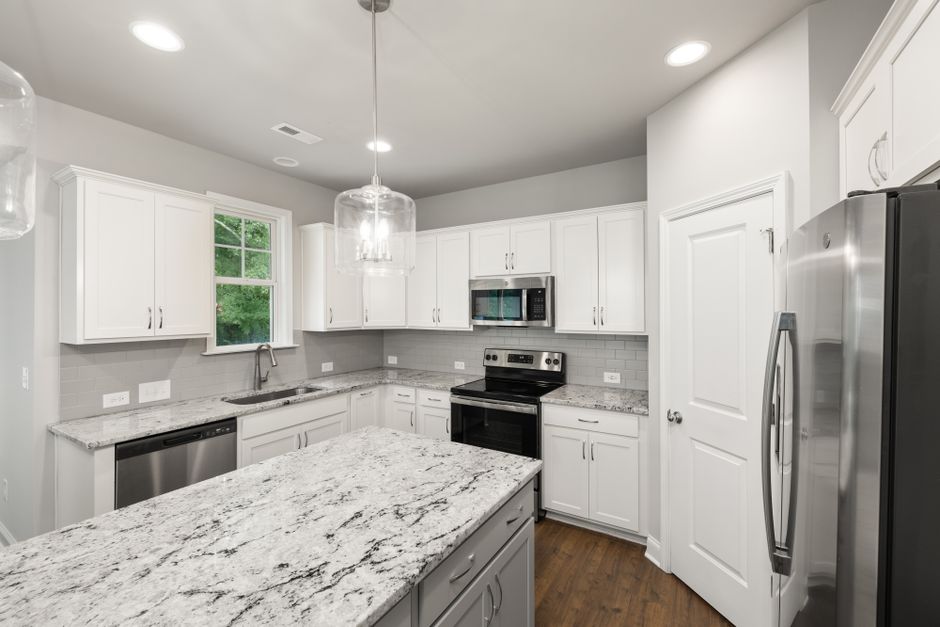
Watch the slurry build up on the surface of the polishing pad during a heavy grit cycle. Maintaining a clean work surface in Buncombe County, NC requires constant vigilance, and buncombe county custom countertops nc ed digest details the mechanical realities of grit loading. Dust accumulation happens quickly when the abrasive particles saturate the pad fibers.
The Mechanics of Grit Loading
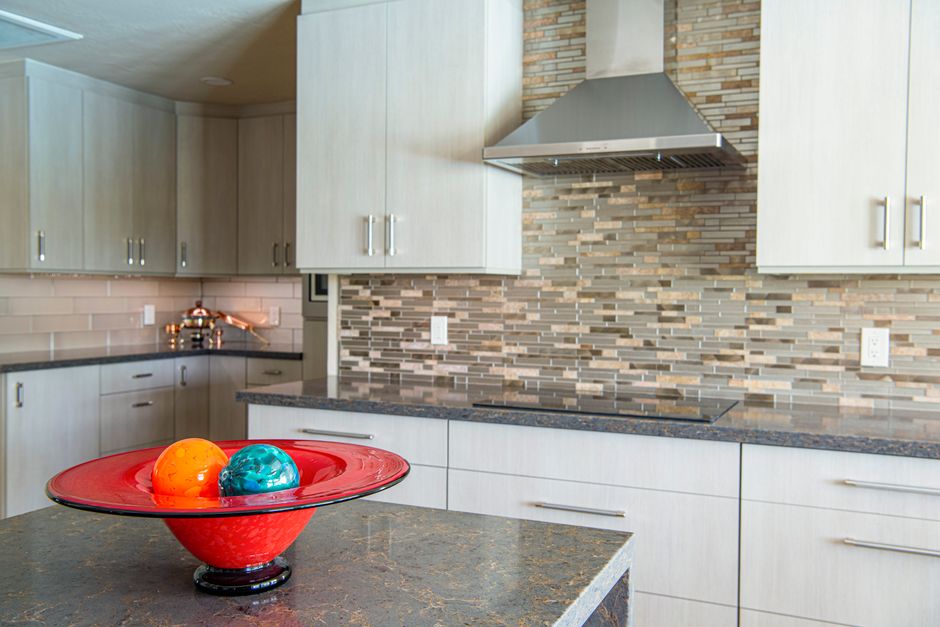
Grit loading occurs when fine stone particles lodge themselves between the diamond segments and the backing of the pad. This buildup creates a cushion of slurry that prevents the diamonds from making direct contact with the slab. When the pad becomes loaded, heat increases rapidly. This heat can lead to thermal damage on sensitive materials like marble or even certain types of quartz. A loaded pad stops cutting and starts merely smearing the dust across the face of the stone.
Identifying Pad Saturation
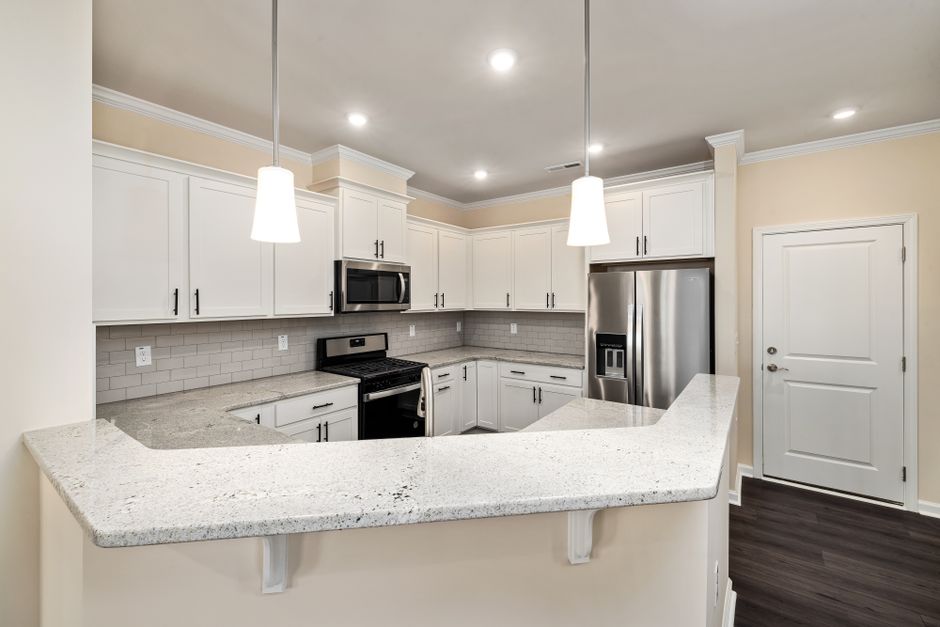
A pad that is no longer cutting effectively will begin to skip or chatter across the material. The sound of the machine changes from a consistent grind to a higher pitched, uneven whine. If the color of the slurry turns from a light milky consistency to a thick, heavy sludge, the pad is saturated. This is common when working with high silica content materials such as quartzite or granite. The dust becomes a paste that fills the voids in the pad, effectively turning a cutting tool into a smooth, useless disc.
Cleaning Methods During Operation
Frequent cleaning keeps the diamonds exposed. Use a stiff brush or a compressed air nozzle to clear the pores of the pad between grit stages. Water flow must be sufficient to flush the particles out of the pad structure entirely. If the slurry is not being washed away, the grit will continue to embed itself. On a large slab, stopping to clean the pad every few minutes prevents the buildup from reaching a critical level that could scar the stone.
Material Specific Considerations
Different stones react uniquely to grit loading. Porous stones like soapstone or certain types of granite can absorb some of the finer slurry, making the pad even harder to clean. When a sink cutout or an undermount sink area is being polished, the tight corners make it harder to flush the debris. The accumulation in these small radii is often more severe than on the main flat areas. Keeping the water pressure high ensures that the particles are carried away from the edge profile immediately.
Preventing Heat Damage
Heat is the primary byproduct of a loaded pad. Excessive temperature can cause micro fracturing or discoloration. A pad that is clogged with dust acts as an insulator, trapping heat against the stone surface. Monitor the temperature of the slab by hand or with an infrared thermometer. If the stone feels hot to the touch, the pad is likely loaded and needs immediate cleaning or replacement to avoid ruining the finish.