Epoxy color-shift during UV exposure
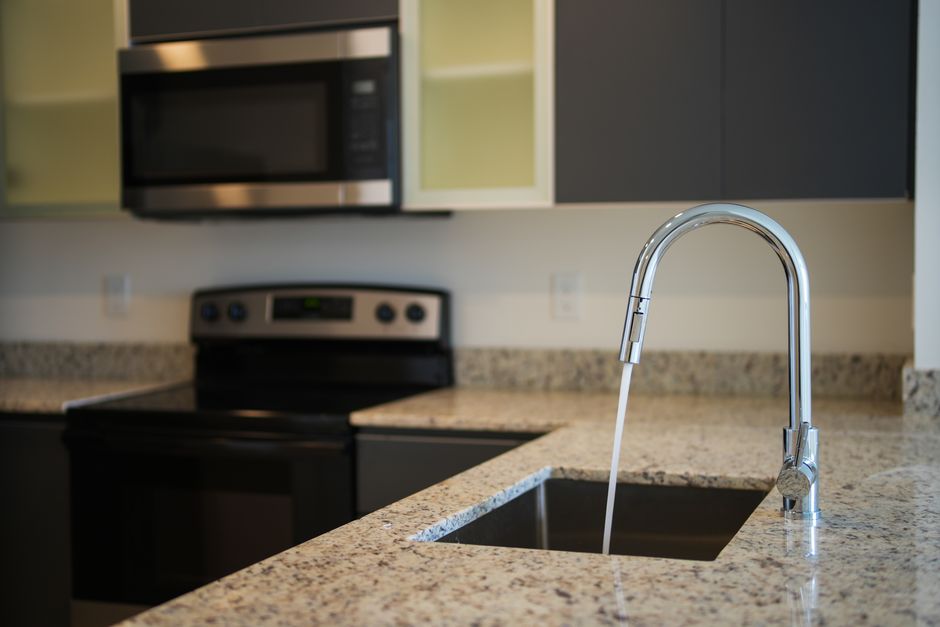
The epoxy resin forms a polymer bond that reacts to ultraviolet radiation through chemical cross-linking. Details found at buncombe county custom countertops nc ed digest show that a countertop installed in a kitchen near large windows in Buncombe County, NC will undergo pigment shifts. Sunlight alters the molecular structure of certain dyes within the resin matrix. This process occurs even with high quality UV inhibitors present in the mix. Sunlight exposure acts as a catalyst for color degradation or shifts in hue intensity over time.
UV Degradation Mechanisms
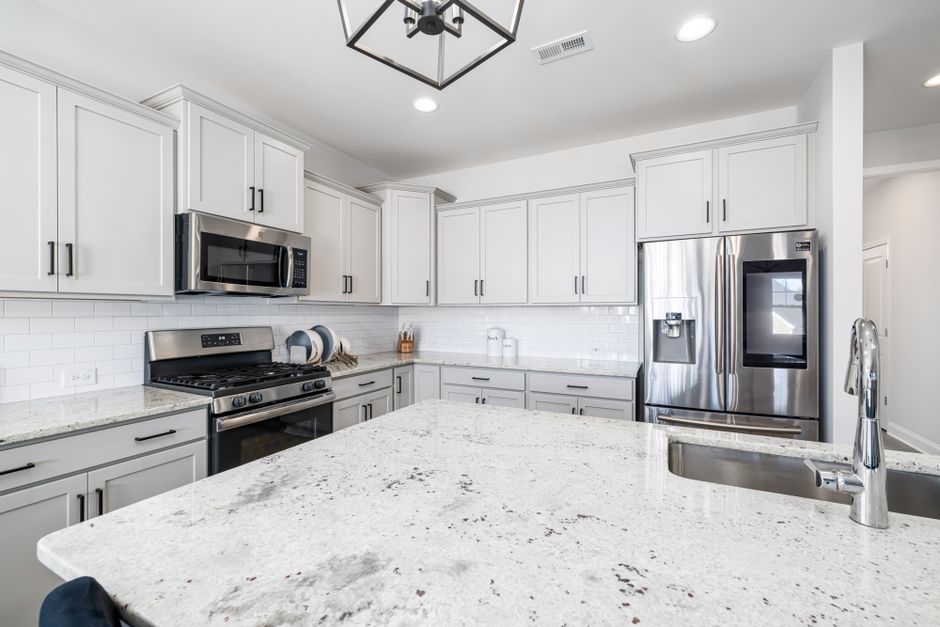
Ultraviolet light breaks down chemical bonds within organic pigments. A blue pigment may shift toward a greenish tint after six months of direct sun exposure through a glass pane. This change is not a surface coating issue but a change in the resin itself. Testing a small slab remnant provides a better indication of these shifts than a dry sample. The thickness of the pour affects how much light penetrates the material. Light hits the top layer and triggers the reaction. A deep pour might show less color shift than a thin layer applied over a substrate.
Predicting Hue Shifts
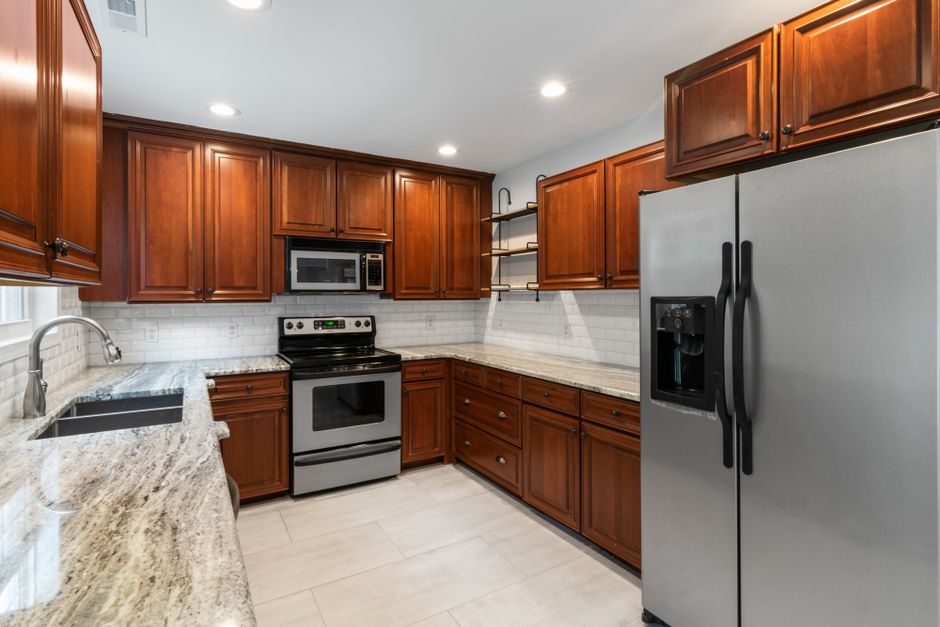
Pigment type dictates the speed of the shift. Inorganic pigments tend to remain stable, while organic pigments face rapid changes. A dark color might fade, whereas a lighter color might yellow. The degree of exposure depends on the orientation of the room. A window facing west receives the most intense afternoon light. This light hits the surface at an angle and penetrates deeper into the epoxy. A digital template allows for precise measurements of the surface area, but it cannot account for the specific angle of light hitting a waterfall edge. Light interaction with the edge profile also influences the visible color depth.
Mitigation and Selection
Using high solids epoxy helps slow the reaction. Adding UV stabilizers provides a buffer, but no resin is entirely immune to sunlight. A heavy pigment load can mask minor shifts. When a sink cutout is made, the exposed edges of the resin might show slightly different color stability than the main field. The seam placement also matters if different batches of resin are used. A seam might become more visible if one side fades faster than the other. Using a stone like quartz or granite avoids these specific resin issues, but epoxy offers a unique aesthetic that requires these considerations.
Environmental Factors in Buncombe County, NC
The local climate in Buncombe County, NC affects the rate of resin curing and aging. Higher humidity levels can influence the initial bond strength. A finished surface with an eased edge will catch light differently than a bullnose edge. The way light reflects off these different shapes affects the perception of color shifts. Monitoring the color of a small test piece near the window is the only way to see the true effect. A single piece of material provides the most accurate data for the specific site conditions.